




How To Fix Roller Marks or Excessive Stipple In Paint
Remove the left-behind paint roller marks
How To Fix Roller Marks or Excessive Stipple in Paint
Think back to the last time a paint job caught your attention. Was it because of the craftsmanship, or was it due to excessive stippling or roller marks in paint? In a high-grade, professional paint job, neither of these mistakes are acceptable. Learn how to fix and avoid making excessive stippling and roller marks.
Stippling and Roller Marks
What are They?
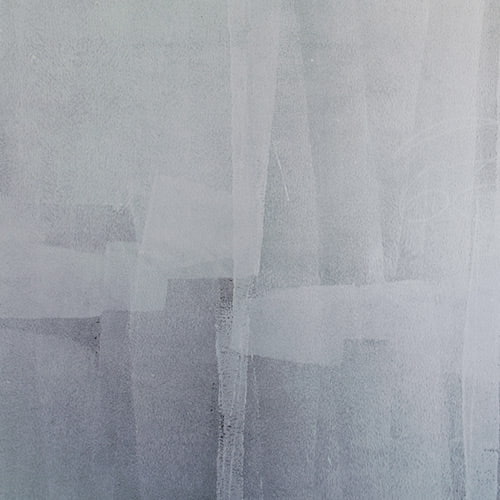
Excessive stippling is when the painted surface is dotted with specks and marks that detract from the overall look.
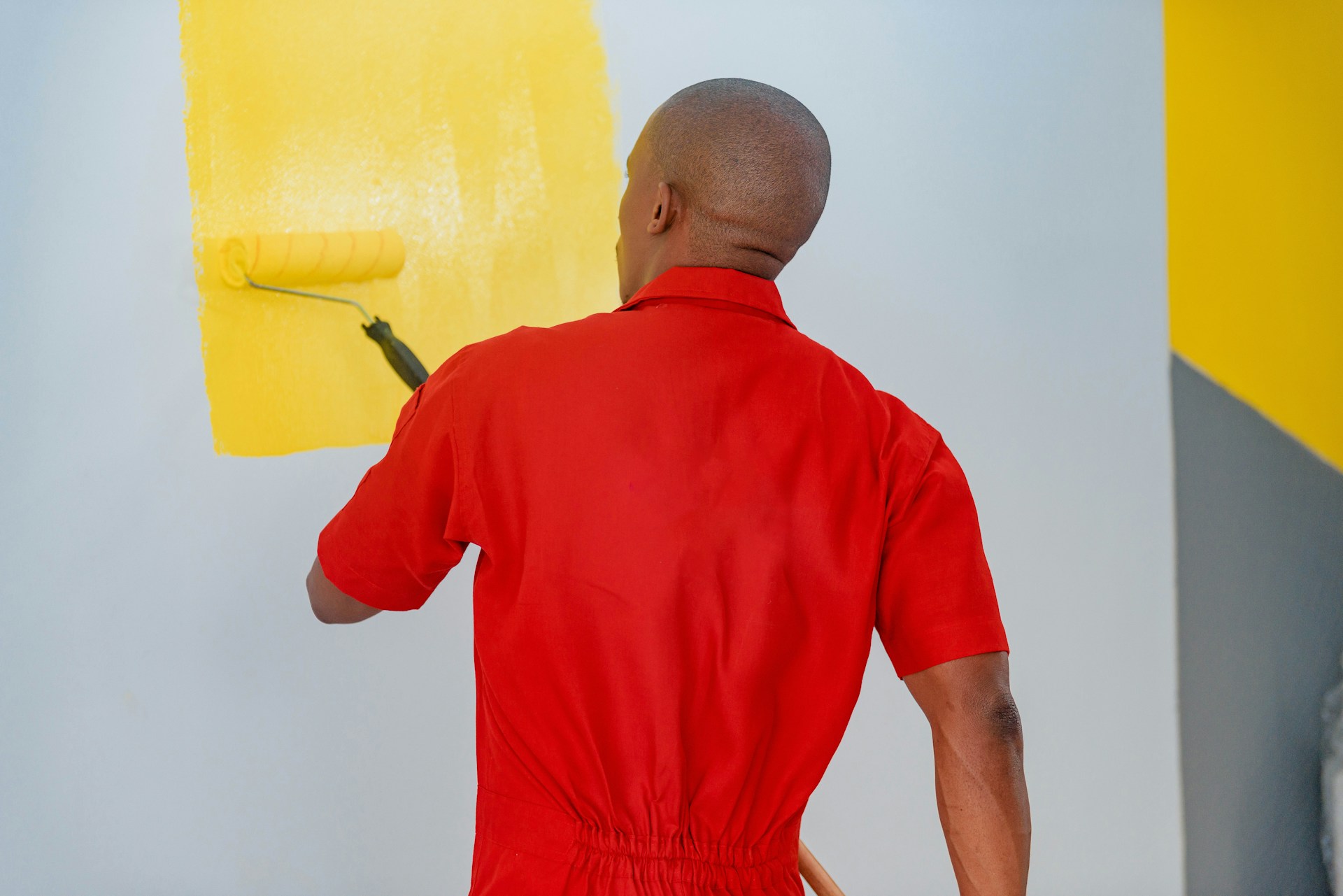
Roller marks are exactly what they sound like — evidence of where the painter used the roller brush. They are often caused by a painter putting a second coat of paint on the wall before the first coat has completely dried.

Stippling and Roller Marks
How to Fix Them
Using these techniques will allow you to fix stippling paint or to repair roller marks on a painted wall:
- Make sure the paint is completely dry. Once it has dried, take a smooth piece of sandpaper and sand* paint down slightly until the surface is smooth.
- Repaint the surface and maintain a wet edge on your roller at all times. Move slowly, and don't be afraid to use more paint. If you begin to see gaps on the wall as you roll, it's time to refresh the paint that's on your roller.
*WARNING! If you scrape, sand, or remove old paint, you may release lead dust or fumes. LEAD IS TOXIC. EXPOSURE TO LEAD DUST OR FUMES CAN CAUSE SERIOUS ILLNESS, SUCH AS BRAIN DAMAGE, ESPECIALLY IN CHILDREN. PREGNANT WOMEN SHOULD ALSO AVOID EXPOSURE. Wear a properly fitted NIOSH-approved respirator and prevent skin contact to control lead exposure. Clean up carefully with a HEPA vacuum and a wet mop. Before you start, find out how to protect yourself and your family by contacting the USEPA National Lead Information Hotline at 1-800-424-LEAD or log on to www.epa.gov/lead.
Stippling and Roller Marks
Prevention
If you do this, you won't have to worry about stippling or roller marks in paint:
- Use the right size roller cover. Larger surfaces need larger rollers.
- Use the right style of brush for the type of painting you are doing. For example, a roller meant to be used with acrylic paint will likely not work as well if used with oil-based paint.
- Use a high-quality paint. Low-quality paint does not stick well and does not look good when the job is done.
- Buy enough paint for the job. Many people try to stretch out a can of paint over as large a surface as possible, but this results in a low-quality paint job.